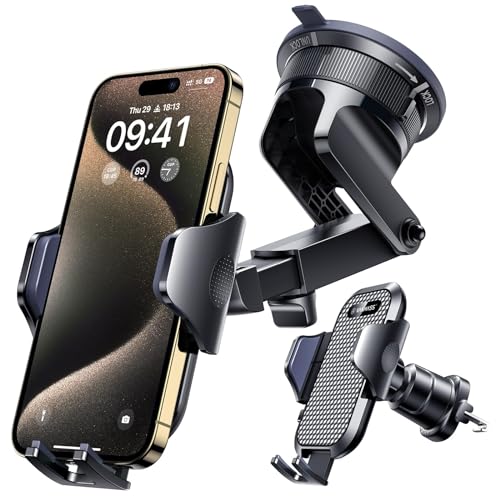
When you decide to Use Your Phone as a Dashcam: Best Apps, Mounts & Accessories Reviewed Sizing & Specs Checklist, you transform your mobile device into a powerful safety tool capable of providing critical evidence in the event of an incident.
This guide is designed for drivers of all skill levels who want to leverage the hardware they already own. Whether you are a daily commuter or an occasional road-tripper, this guide assumes no prior experience with dashcam software, providing a clear path to professional-grade recording.
By the end of this resource, you will be able to select the correct mount, configure your recording application, and maintain your device for long-term reliable performance on the road.
- How to choose a vibration-resistant phone mount.
- Recommended app configurations for optimal storage management.
- Best practices for heat management in direct sunlight.
- Understanding camera FOV (Field of View) limitations.
- Essential power management strategies for long trips.
Overview & Prerequisites

Required Hardware for Reliability
To Use Your Phone as a Dashcam: Best Apps, Mounts & Accessories Reviewed Sizing & Specs Checklist effectively, you need a high-quality suction cup mount that minimizes road vibration. A stable base is the difference between a blurry, useless video and clear, actionable evidence.
Software and Storage Considerations
You need a reliable dashcam app that supports loop recording—a feature that prevents your storage from filling up by overwriting the oldest footage. You can learn more about configuring these systems in our Step-by-Step: How to Setup, Configure & Master Use Your Phone as a Dashcam: Best Apps, Mounts & Accessories Reviewed guide.
Always ensure your phone’s storage has at least 32GB of free space dedicated solely to the dashcam app to avoid performance bottlenecks during long drives.
Core Concepts & Fundamentals

Understanding Optical Field of View
When you Use Your Phone as a Dashcam: Best Apps, Mounts & Accessories Reviewed Sizing & Specs Checklist, you must account for the lens width of your phone. Most smartphone cameras are optimized for portraits, whereas dedicated dashcams utilize wide-angle lenses to capture the entire road.
The Importance of Loop Recording
Loop recording is the pillar of dashcam operations. Unlike a standard video app, dashcam software continuously manages temporary files. If an incident occurs, you must know how to trigger the "lock" feature, which moves the current clip to a permanent folder.
| Feature | Standard Video App | Dashcam App |
|---|---|---|
| Storage | Fills up until manual delete | Auto-overwrites (Looping) |
| Incident Logic | None | Collision detection/Auto-save |
| UI/UX | Complex/Manual | Simplified/Minimalist |
Review our Use Your Phone as a Dashcam: Best Apps, Mounts & Accessories Reviewed vs Top Competitors: Which is Best? guide to see how your specific phone hardware stacks up against dedicated solutions.
Step-by-Step Execution Guide
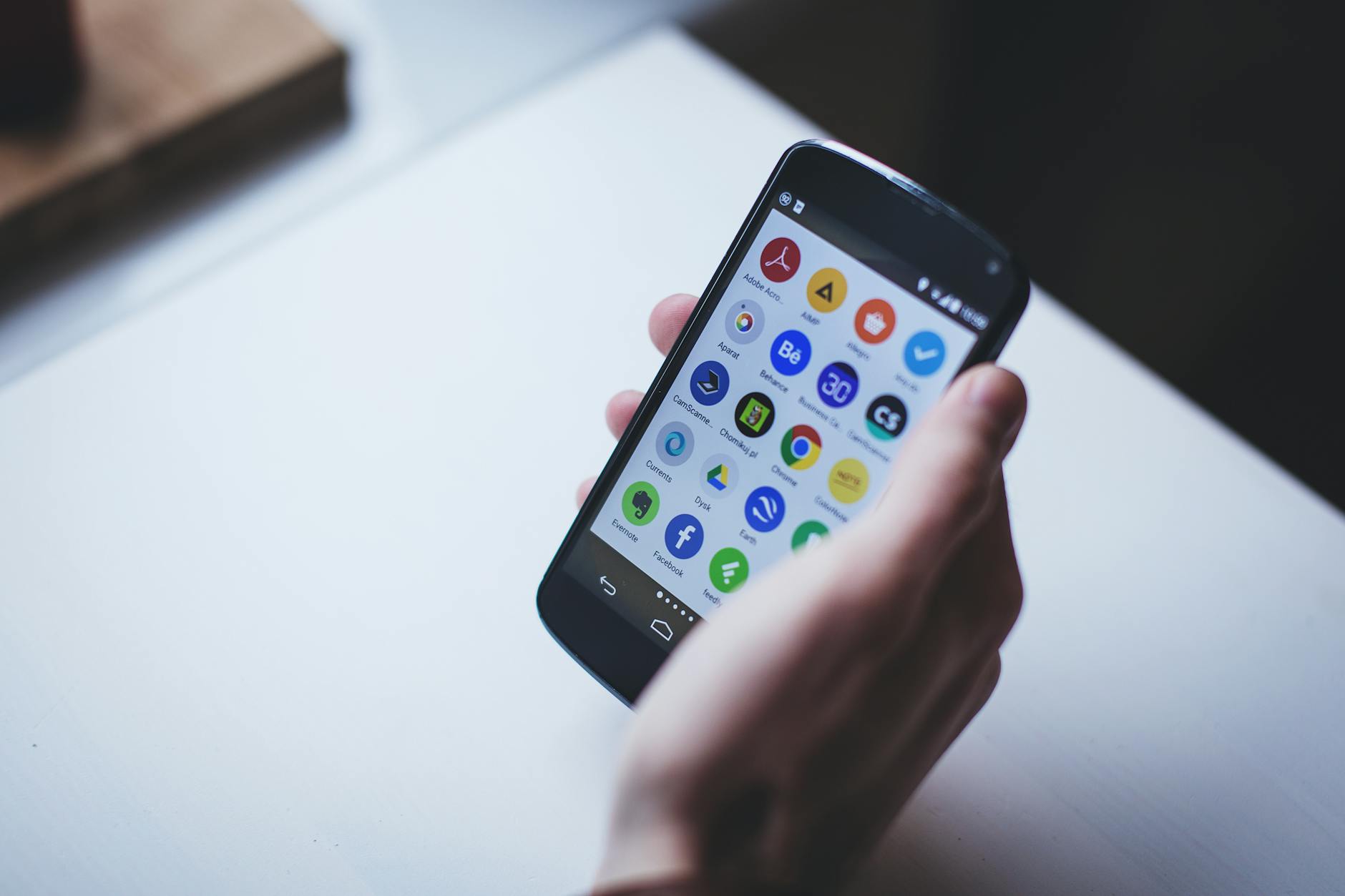
Preparation and Mounting
Proper placement is vital. Ensure the phone is mounted high on the windshield behind the rearview mirror to maintain a clear view of the road while adhering to local visibility laws.
Configuration and Power
Connect your device to a 12V charger using a high-quality cable. Ensure the app is set to "auto-start" upon connection to power to minimize user interaction.
Best Practices & Pro Tips
Thermal Management
Recording in 4K or high frame rates generates significant heat. Keep your phone in the path of the vehicle's AC vent to ensure the processor does not throttle, which can lead to dropped frames or system crashes.
File Management and Security
Don't rely solely on the phone's internal storage. Use cloud backup features available in premium dashcam apps to automatically upload critical clips whenever the phone detects a Wi-Fi connection.
Tip: Use an anti-glare screen protector on your lens area to improve clarity during high-sunlight conditions.
Success: Regularly format your app's cache directory every 30 days to keep the file system responsive.
Note: Always keep your phone’s operating system updated to ensure the camera API functions with the latest security patches.
Troubleshooting & Common Pitfalls

Solving Connectivity and Power Issues
If your device is not charging while recording, check if your cigarette lighter adapter is providing at least 2.4A of current. Low-power adapters will cause the battery to drain despite being plugged in.
Resolving Software Freezes
For more advanced solutions, refer to our guide on 7 Common Problems with Use Your Phone as a Dashcam: Best Apps, Mounts & Accessories Reviewed (and Quick Fixes) to address specific app crashes.
Failure: App crashes due to background apps. Fix: Disable battery optimization for your dashcam app in your phone's settings.
Failure: Blurry night footage. Fix: Clean the camera lens with a microfiber cloth to remove oily residue from fingerprints.
Failure: Mount suction failure. Fix: Thoroughly clean the windshield with isopropyl alcohol before re-applying the suction cup.
Frequently Asked Questions
Does using my phone as a dashcam ruin the battery?
A: Constant charging can degrade battery health over time, but most modern phones manage power intelligently once they reach 100%. If possible, use a phone with a removable battery or one you do not use as your primary device.
Is it illegal to have a phone mounted to the windshield?
A: Laws vary by state and country regarding visual obstructions. Always ensure your mount is placed in a corner of the windshield or behind the mirror to remain compliant with local visibility regulations.
Can I use an iPhone as a dashcam?
A: Yes, iOS is excellent for dashcam use due to its consistent camera hardware and optimized software. Many top-rated apps are available on the App Store that offer high-fidelity recording.
What is the best frame rate for a dashcam?
A: 30fps is the industry standard and provides the best balance between file size and motion clarity. Avoid 60fps unless you have massive storage, as it can cause heat issues.
Should I use a polarizing filter?
A: A circular polarizer (CPL) is highly recommended to reduce windshield glare and dashboard reflections. This significantly improves the ability to read license plates.
What happens if I receive a call while recording?
A: Most professional dashcam apps are designed to continue recording in the background during calls. Check your app's permissions to ensure "Background Processing" is enabled.
How long can I record on a 64GB device?
A: At 1080p/30fps, you can typically expect around 8 to 12 hours of continuous footage before the oldest files begin to be overwritten by the loop recording system.
Can the dashcam see at night?
A: Modern smartphone sensors are quite sensitive, but they perform best with ambient street lighting. Avoid using the phone's LED flash, as it will cause severe glare on your own windshield.
Key Takeaways
- 1 Always use a dedicated, vibration-resistant mount for stable footage.
- 2 Enable "Loop Recording" to ensure the app manages storage automatically.
- 3 Use 1080p at 30fps as your default setting to manage storage and heat.
- 4 Keep your device cool by positioning it near an active air vent.
- 5 Clean your lens daily to maintain video sharpness for potential evidence.
- 6 Disable unnecessary background apps to prevent the camera software from crashing.
- 7 Regularly test your emergency "lock" feature to ensure critical clips are saved.
Conclusion
Learning how to Use Your Phone as a Dashcam: Best Apps, Mounts & Accessories Reviewed Sizing & Specs Checklist is a cost-effective way to improve your road safety. By selecting the right hardware and mastering your app settings, you create a robust safety system that provides peace of mind on every journey.
As you refine your setup, remember that consistency is the most important factor in dashcam usage. A system that is always ready to record is far more valuable than a high-end device you forget to turn on.
With this guide, you have the foundational knowledge to transform your mobile device into a reliable, professional-grade safety companion. For more integrated hardware solutions, you might also be interested in our Toyota Dashcam Review: Best Integrated Options for 2026.
📌 Pillar Resource: Read our complete our Use Your Phone as a Dashcam: Best Apps, Mounts & Accessories Reviewed resource for in-depth insights.