Properly managing after 4k dash cam firmware updates is the single most effective way to ensure your device maintains high-resolution clarity and reliable recording stability.
This guide is designed for car owners and tech enthusiasts who want to maintain their hardware without professional assistance. We assume a basic comfort level with file systems and microSD card management, suitable for intermediate DIY users.
By the end of this guide, you will be able to confidently identify when an update is necessary, successfully perform the installation, and troubleshoot any potential boot-loop or data issues that might arise following the process.
- How to verify current firmware versions.
- The importance of backup protocols before updating.
- Methods for flashing firmware via microSD cards.
- Common post-update verification steps.
- Resolving unexpected bugs after installation.
Overview & Prerequisites

Required Preparation for Updates
Before initiating any firmware changes, ensure you have a stable power supply and a high-endurance microSD card. Firmware updates often rewrite the core logic of the camera; if power fails during this process, the device can become "bricked" and unusable. Always consult how are dash cams powered? The complete guide to installation methods to ensure your setup can support a consistent, uninterrupted electrical connection during the update procedure.
Who This Guide Is For
This tutorial is intended for users who own modern 4K hardware that supports manual firmware flashing. It assumes you have access to a computer and an SD card reader. If you are uncertain about your current camera's maintenance schedule or general longevity, this guide provides the necessary framework to maintain peak performance.
Tip: Always check the manufacturer's website for the specific version number matching your model's hardware revision (e.g., v1.2 vs v2.0) before downloading files.
Core Concepts & Fundamentals

Understanding Firmware Lifecycle
Firmware serves as the operating system for your dash cam, bridging the gap between hardware sensors and user software. Over time, manufacturers release updates to fix bugs, improve heat management, or optimize image processing. Learning how to manage these updates is just as important as knowing how much installing a dash camera costs, as it directly impacts the longevity of your investment.
The Role of Metadata in Updates
When you update, the camera essentially performs a clean sweep of its internal memory. Understanding that this process refreshes the file system allows you to proactively protect your existing footage. Avoid the common mistake of assuming an update will preserve all internal settings; most perform a factory reset.
| Feature | Correct Approach | Incorrect Approach |
|---|---|---|
| Backup | Export all files to PC first | Trusting auto-backup on SD |
| SD Formatting | Format in-camera after update | Formatting on PC only |
| Sequence | Apply patches sequentially | Skipping minor updates |
Step-by-Step Execution Guide

Preparation Phase
Gather your equipment: a high-quality microSD card (Class 10 or higher) and your laptop. Ensure you have downloaded the correct .bin or .firm file from the official brand source.
Execution Phase
Recommended Equipment & Solution

ROVE R2-4K Dual Dash Cam Front
A reliable pick for ROVE R2-4K Dual Dash Cam, selected based on this article's guidance.
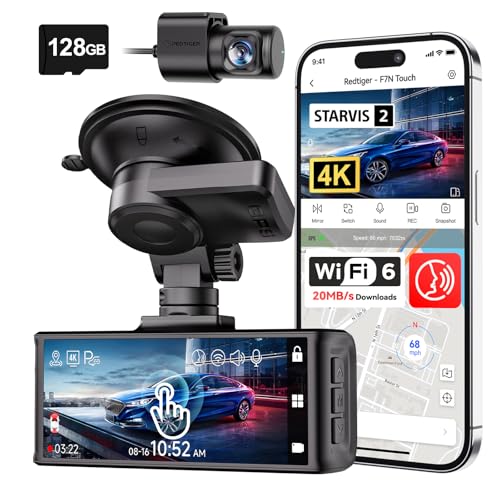
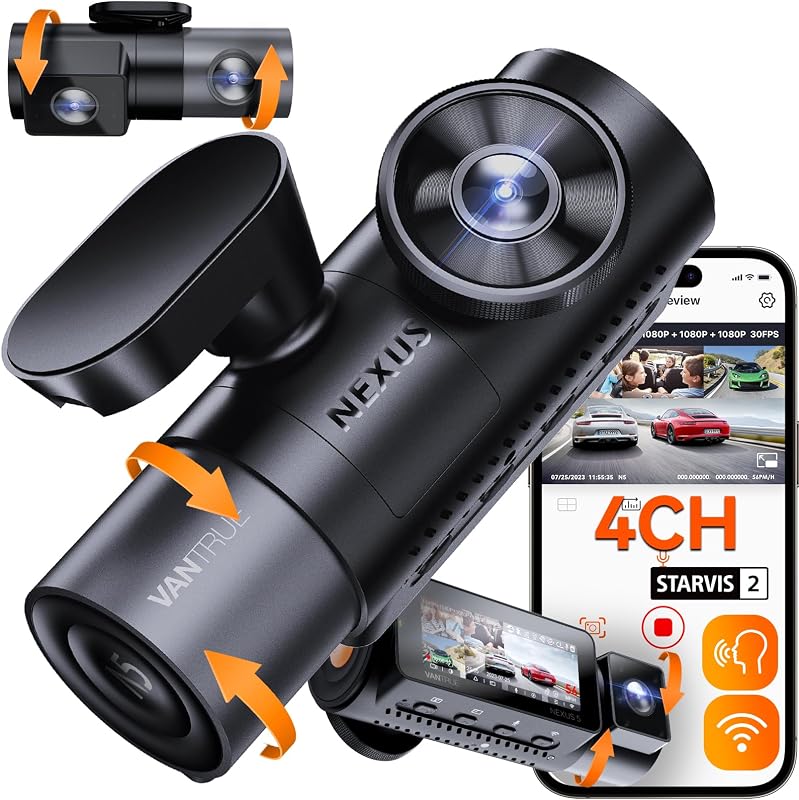
REDTIGER 4K STARVIS 2 Dashcam Front Rear
A reliable pick for REDTIGER 4K STARVIS 2 Dashcam, selected based on this article's guidance.
Best Practices & Pro Tips

Maintaining System Integrity
After an update, prioritize re-calibrating your G-sensor settings. Since updates reset parameters, your previous sensitivity levels might not be optimal for the new firmware logic. Frequent check-ups every 6 months keep your device running as well as it did on day one.
Optimizing for Longevity
Troubleshooting & Common Pitfalls

Solving Initialization Issues
If the device fails to boot after an update, perform a "hard reset" by holding the power button for 30 seconds while the card is removed. If the camera remains unresponsive, consult your warranty status.
Common Failure Modes
Frequently Asked Questions
Do I need to update my firmware if the camera works fine?
A: It is generally recommended to update if the changelog includes security patches or critical bug fixes, but otherwise, the "if it isn't broken, don't fix it" rule often applies.
Will I lose my saved videos during the update?
A: Yes, you must back up your footage to a PC or cloud storage before starting the update, as internal storage is often wiped.
What if the power cuts during an update?
A: This can potentially brick the device, requiring a professional recovery or a warranty replacement from the manufacturer.
How long does an update usually take?
A: Most firmware flashes take between 3 to 10 minutes to complete.
Can I use a smartphone app to update firmware?
A: Some newer models support over-the-air (OTA) updates via app, which is safer than manual flashing.
Does an update improve video quality?
A: Sometimes, updates include new algorithms for better dynamic range or compression, which may indirectly improve your 4K output.
How do I find my current firmware version?
A: Go to the "Settings" or "About" section in your dash cam's menu to see the current version string.
Is it safe to update in extreme weather?
A: Avoid performing updates in extreme heat or cold as this can interfere with the hardware's internal electronics and lead to errors.
Key Takeaways
- 1 Always perform a full backup of your microSD card before starting.
- 2 Verify your hardware version carefully to avoid flashing the wrong file.
- 3 Use a stable, reliable power source throughout the entire process.
- 4 Keep the firmware file in the root folder of your memory card.
- 5 Always format the card in-camera after the update is finished.
- 6 Check the official manufacturer website rather than third-party forums.
- 7 Remember that updates often reset all custom settings and preferences.
Conclusion
Maintaining your 4K dash cam through regular firmware updates is a simple but critical part of vehicle safety management. By following these structured steps, you protect your investment and ensure the highest possible reliability when you need your footage the most.
As technology evolves, staying informed about your hardware is the best defense against data loss or system failure. For more information on system maintenance, check do dash cams record when the car is off? to keep your system fully optimized.
Consistent maintenance today prevents critical system failures tomorrow.