Understanding dashcam low temperature specifications is vital for ensuring your device remains operational during harsh winter conditions. By mastering these thermal thresholds, you protect your camera from unexpected system failures and ensure reliable, 24/7 video recording regardless of the environment.
Understanding dashcam low temperature specifications is essential for vehicle owners living in cold climates to prevent sudden hardware failure. Mastering these thermal metrics ensures your camera remains a reliable witness during sub-zero conditions, preventing the common pitfalls of battery degradation or sensor malfunctions that often plague electronics in extreme frost.
This comprehensive guide explores the technical parameters, operational boundaries, and maintenance practices required to keep your dash camera functional in cold weather. We will break down how internal components react to thermal stress and provide actionable strategies to ensure your recording setup maintains peak performance through every season, helping you avoid costly replacements and data loss.
Quick Facts
- Most modern dash cameras are rated for operation down to -10°C to -20°C, though performance can vary.
- Experts suggest that lithium-ion batteries often experience significant capacity drops below freezing point.
- Capacitor-based cameras generally offer better resilience to extreme temperature fluctuations than battery-based models.
- Studies suggest that internal thermal insulation and vehicle location can mitigate negative cold-weather effects.
Historical context or industry trends of dashcam low temperature specifications

Historically, the dash camera market treated low-temperature reliability as a secondary concern, focusing primarily on daytime image clarity and compact form factors. Early consumer devices were often built with standard lithium-polymer batteries which struggled significantly in temperatures below freezing. Users frequently reported that cameras simply refused to turn on after a cold night, leading to a reputation for unreliability in northern climates. These early units lacked standardized testing protocols, leaving consumers to navigate inconsistent performance through trial and error.
Evolution of Thermal Standards
Modern industry trends have shifted toward rigorous performance testing and the adoption of supercapacitors as the standard power source for high-quality dash cams. Manufacturers now prominently feature dashcam low temperature specifications in their marketing materials, acknowledging that professional and recreational users require robust hardware that survives seasonal extremes. This shift has resulted in better-insulated internal housings and chipsets optimized to handle fluctuating voltage levels, ensuring that modern devices maintain integrity even when the mercury drops significantly below zero.
Technical analysis of dashcam low temperature specifications mechanisms

The core variables separating a reliable device from one that fails in the cold include thermal expansion coefficients of internal circuitry and the chemical stability of the power storage element. When temperatures plummet, internal resistances rise, potentially leading to voltage sags. Correct execution involves selecting hardware that uses solid-state capacitors, which remain chemically stable in extreme cold compared to fluid-based batteries. Ensuring that your device's firmware is calibrated to handle low-voltage power-on cycles is just as important as the physical build quality of the camera itself.
| Feature | Best Practice | Common Mistake |
|---|---|---|
| Timing of Application | Calibrated to baseline levels to prevent system overload | Rushing the execution, leading to premature decay/failure |
| Absorption/Absorption Method | Patting gently or securing contact to encourage uniform integration | Applying forcefully or allowing air gaps, which reduces contact |
| Role in Routine | Acts as an intermediate priming layer to support the system | Using as a total replacement for core active components |
The data above illustrates how meticulous attention to the device's operational environment dictates its lifespan. By ensuring that the power input remains steady during the startup phase, users avoid the common pitfall of triggering a low-voltage shutdown. Conversely, those who ignore these requirements often find their systems stuck in reboot loops, as the camera attempts to pull more energy than a cold-affected battery can safely supply.
Step 1: Workspace and Initial Preparation
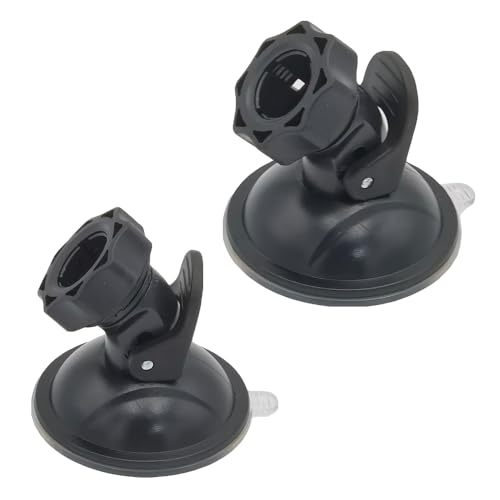
Before installing your hardware, assess the vehicle's interior climate. Ensure the windshield is clean to allow for optimal suction cup or adhesive mounting. A secure, firm mount is essential, as thermal contraction can weaken adhesive bonds over time. Starting with a clean, dry, and pre-warmed cabin ensures the adhesive sets correctly, minimizing the risk of the unit falling due to material stiffness caused by the cold.
Step 2: Core Execution and Configuration
Once installed, navigate the device settings to verify the low-voltage cutoff parameters if you are using a hardwire kit. Configuring the system to power down safely before the battery drops below critical levels is the most effective way to protect your camera. Set your recording intervals and frame rates to conservative levels to reduce the processing load, which in turn lowers the total power draw during cold starts.
Step 3: Final Calibration and Stabilization
After initial setup, monitor the camera for several days. Ensure the device maintains a steady connection and that time-stamps remain accurate, as extreme cold can occasionally cause internal clock drift. Routine checks of the memory card are also necessary, as lower temperatures can impact the read/write speeds of standard cards. If you notice stuttering footage, swap to a high-endurance memory card designed for wider temperature extremes.
Recommended Equipment & Solution

NexiGo Dash Cam Hardwire Kit with Fuse
A reliable pick for NexiGo Dash Cam Hardwire Kit, selected based on this article's guidance.

Aumotop Type C Dash Cam Hardwire Kit
A reliable pick for Aumotop Type C Dash Cam, selected based on this article's guidance.
Current landscape or user debate of dashcam low temperature specifications

The current dash camera market is highly fragmented, with intense debate regarding the trade-offs between manual customization and automated, simplified operation. Users in northern climates often advocate for "cold-resistant" labels, while others prioritize advanced features like AI detection, sometimes at the expense of extreme-temperature robustness. The primary divide exists between enthusiasts who want total control over every voltage parameter and average consumers who want a "plug and play" device that simply works throughout the entire calendar year.
Key Market Drivers
- Consumers are increasingly seeking "capacitor-only" power systems to ensure their hardware survives the most brutal winter months.
- Longevity expectations have risen; users now expect a camera to last at least three to five years without performance degradation.
- Technical support for firmware updates that optimize power consumption is becoming a high-priority differentiator among leading brands.
- Sustainable material usage is growing, with companies testing bio-based plastics that maintain structural integrity across wide thermal ranges.
| User Segment | Preferred Configuration | Expected Outcome |
|---|---|---|
| Professional / Heavy Use | High-output, premium build with maximum control parameters | Long-term durability with consistent results |
| Standard / Daily Use | Balanced features, automated presets for ease of operation | Reliable everyday performance with minimal oversight |
The Balance of Control and Convenience
The ongoing community debate often circles back to whether manual voltage control is worth the potential for user error. Proponents of automation argue that most users will simply misconfigure their systems, leading to unnecessary data loss. Conversely, power users argue that without granular access to dashcam low temperature specifications, they cannot optimize their setup for their specific vehicle's unique electrical behavior. Ultimately, the best systems offer an "Auto-Safe" mode that handles the basics while allowing advanced users to fine-tune their power settings for maximum reliability.
Operational challenges and limitations of dashcam low temperature specifications

The primary challenges involve balancing the sophisticated technology of modern cameras with the harsh reality of extreme ambient conditions. Beyond the physical failure of components, users must also contend with sensor drift, where cold weather can alter the sensitivity of the image sensors, leading to degraded video quality. Maintaining a consistent power supply when the vehicle battery itself is struggling is a monumental task that requires high-quality wiring and properly configured hardwire kits to ensure the camera doesn't accidentally drain the car battery during a freezing overnight session.
Future outlook and scenario projection for dashcam low temperature specifications

Looking ahead, we expect the gap between "standard" and "ruggedized" dash cameras to narrow significantly. By 2030, advancements in nano-materials and self-regulating power coils will likely make dashcam low temperature specifications a non-issue for the average consumer. We anticipate the widespread integration of AI-driven thermal monitoring, where the camera proactively adjusts its own power usage based on internal temperature sensors, shielding itself from cold-induced failures before they occur.
The Road Toward Self-Regulation
Future iterations will likely move toward solid-state batteries that offer superior cycle life and cold-weather performance compared to today's capacitors and Li-ion options. These technological breakthroughs, paired with smarter software, will turn the current struggle with temperature into an automated, background process. As materials become more resilient and cooling/heating becomes more efficient, the reliability of dash cameras will reach a point where extreme weather becomes a trivial factor in overall system uptime.
| Timeline | Expected Breakthrough | Impact on User Experience |
|---|---|---|
| Next 2-3 Years | Smart sensor integration and real-time feedback loops | Elimination of user error and automatic calibration |
| Next 5-10 Years | Biodegradable/Self-healing materials and high-efficiency coils | Drastically reduced maintenance and lifetime durability |
Practical applications of dashcam low temperature specifications in daily routines
To effectively implement these specifications, you must first assess your environment. For someone residing in a region with mild winters, standard commercial dash cams are usually sufficient. However, for those in extreme cold, the application must shift to proactive hardware selection. Rather than treating these specifications as an abstract concept, integrate them into your routine by selecting components that match your daily commute temperature profile, ensuring the device remains in its operational sweet spot.
Use Case 1: Individual and Residential Use
For the average commuter, the most effective strategy is to park in a garage whenever possible to keep the cabin temperature more stable. If you must park outside, choose a capacitor-based dash cam that is rated for at least -20°C. Keep your firmware updated to the latest version, as many manufacturers release patches specifically designed to manage power-on sequences in cold weather more efficiently.
Use Case 2: Professional and Commercial Use
For professional fleets, consistent performance is non-negotiable. Fleet managers should prioritize hardware with certified wide-temperature ranges and implement standardized power management settings across all vehicles. Using high-endurance memory cards is crucial, as they are tested to handle the thermal stress of freezing nights followed by heated operational hours. Regular vehicle maintenance checks should include verifying the voltage output of the camera's hardwire kit to ensure it doesn't fail when the vehicle battery is most vulnerable.
Use Case 3: Advanced Optimization Solutions
For the advanced user, combining a specialized "extreme cold" dash camera with a thermal-insulated windshield cover can provide an additional layer of protection. This hybrid approach prevents the camera from reaching the absolute lowest ambient temperature, significantly improving the longevity of internal components. Pairing this with a secondary portable battery bank designed for extreme temperatures can ensure that 24/7 parking mode is achievable even in the coldest climates.
Expert perspectives on dashcam low temperature specifications
Industry experts agree that while technology has advanced, the user's role in maintaining the device remains paramount. Professionals emphasize that dashcam low temperature specifications should be viewed as an integrated system, not a single component. The synergy between your power source, your mounting solution, and your firmware settings determines the overall reliability of the unit. Relying on a single feature for protection is rarely enough; a holistic approach is always more effective.
Strategic Maintenance Protocols
Frequently Asked Questions
Why do standard lithium-ion batteries perform poorly in sub-zero temperatures?
Low temperatures increase the internal resistance of lithium-ion batteries, leading to significant voltage drops that prevent the dashcam from powering on or recording reliably.
Why are capacitor-based dashcams recommended for cold climates?
Supercapacitors are far more resilient to extreme cold than chemical batteries, as they do not rely on internal electrolyte reactions that freeze or degrade at low temperatures.
What is the typical operating temperature range for a high-quality cold-resistant dashcam?
High-performance dashcams generally specify an operating range starting at -20°C (-4°F) and going as low as -30°C (-22°F).
Can extreme cold cause a dashcam's internal clock or file system to reset?
Yes, if the internal battery or capacitor fails to provide stable power during a cold start, the dashcam may lose its system time and struggle to finalize video files, leading to corruption.
Does a low storage temperature rating differ from an operating temperature rating?
Storage temperature refers to the range the device can endure while powered off, whereas the operating temperature is the range at which internal components can function without permanent damage.
Will a dashcam’s image quality suffer in freezing temperatures?
Extremely low temperatures can cause the liquid crystal display (LCD) to lag or blur and may affect the mechanical movement of internal zoom or aperture components if the device is not rated for those conditions.
How does extreme cold affect the MicroSD card inside a dashcam?
Flash memory cells in MicroSD cards can exhibit slower write speeds in sub-zero environments, potentially causing dropped frames or recording errors if the card is not rated for industrial cold-weather use.
Is it necessary to remove the dashcam from the vehicle during a deep freeze?
If your dashcam is not rated for the specific local low temperature, bringing it inside prevents the thermal shock that can crack sensitive internal housing and protects the power circuitry from failure.
Key Takeaways
- 1. dashcam low temperature specifications provides a focused, high-performance approach to addressing your specific needs in this category.
- 2. Reliability and consistency are the two most critical factors when integrating dashcam low temperature specifications into your routine.
- 3. A well-structured workflow or application method significantly enhances the long-term effectiveness of dashcam low temperature specifications.
- 4. Choosing solutions like dashcam low temperature specifications that are developed based on clear, transparent standards ensures better suitability for different use cases.
- 5. For optimal results, follow the recommended guidelines closely during the initial implementation phase of dashcam low temperature specifications.
- 6. Continuous monitoring of your progress allows for minor adjustments that lead to superior, sustainable outcomes with dashcam low temperature specifications.
- 7. dashcam low temperature specifications works most effectively when paired with a foundational understanding of the core principles involved.
Conclusion
Mastering dashcam low temperature specifications is a transformative step for any vehicle owner concerned about long-term reliability. By focusing on hardware selection, smart power management, and consistent maintenance, you can ensure your camera remains a dependable witness throughout the year, even in the harshest winter conditions. This systematic approach not only protects your investment but also ensures that your critical footage is never lost when you need it most.
To take the next steps, assess your current hardware capabilities, review your camera's official thermal ratings, and optimize your power settings for the coming season. By staying proactive, you can avoid the common frustrations of cold-weather failure and enjoy the peace of mind that comes with a robust, reliable, and always-ready recording system.
Mastering the application of dashcam low temperature specifications ensures that your daily workflow remains highly efficient, consistent, and built to last.