When upgrading your vehicle safety, the choice between How to Install Dash Cam: The Complete Step-by-Step Guide for Any Car vs Alternatives—such as professional hardwiring services—is a critical decision for every driver. While one path offers total control and cost savings, the other provides convenience and a seamless aesthetic finish.
Many drivers struggle to determine whether the time invested in a self-installation is worth the savings, or if the technical complexity of modern vehicle electrical systems necessitates an expert hand. Without a clear understanding of these two approaches, you risk either damaging your vehicle's trim or paying premiums for services you could have performed yourself.
This guide breaks down the technical requirements, long-term implications, and logistical trade-offs of both methods. By the end, you will be able to evaluate your own mechanical comfort levels and budget to determine the best path for your specific vehicle setup.
- Upfront financial cost vs. long-term value
- Risk management and warranty considerations
- Time investment for installation
- Visual integration and cable management
- Technical difficulty levels for modern vehicle electronics
Overview & Head-to-Head Summary
The DIY Self-Installation Approach
Installing a dash cam yourself involves manual cable routing, fuse tap management, and trim panel removal. This method is popular because it eliminates labor costs and gives the driver full knowledge of how the device is wired. However, it requires a basic set of tools and a willingness to troubleshoot potential electrical issues.
The Professional Installation Service
Professional installation involves hiring an automotive electronics specialist to mount the camera and hardwire it into the vehicle's fuse box. This route is favored by those who want to avoid the risk of voiding warranties or damaging sensitive plastic interior components. It ensures a professional, hidden look that often blends seamlessly with the car's interior.
| Feature | DIY Installation | Professional Service |
|---|---|---|
| Cost | Low (Tools only) | Moderate to High |
| Time Required | 2–4 Hours | 1–2 Hours (in-shop) |
| Warranty Risk | Moderate | Low |
| Skill Level | Entry to Intermediate | Expert |
Before committing to an installation method, always verify if your camera requires a constant power supply, as discussed in our Dashcam Installation Cost: How Much You’ll Pay & How to Save Complete Specifications, Sizing & Features guide.
Key Differences & Core Features

Mechanical and Electrical Integration
The primary difference lies in the level of electrical integration. A DIY project typically uses plug-and-play kits or simple fuse taps. A professional service, conversely, often uses specialized circuit testers to ensure that the dash cam does not interfere with the car's sensitive ADAS (Advanced Driver Assistance Systems) or internal computer modules.
Aesthetic and Trim Management
Proper cable management is the hallmark of a high-quality install. While a pro will use professional trim tools to tuck wires behind airbags and molding, a novice may struggle with panel gaps. Learn more about the best hardware setups in our Azdome M200 Max Review: Reliable Dashcam Choice 2026 analysis.
| Comparison Metric | DIY Method | Pro Method |
|---|---|---|
| Wire Visibility | Variable | Near-Invisible |
| Fuse Box Safety | User-managed | Technician-verified |
| Trim Integrity | Risk of minor scuffing | Professional preservation |
| Hardware Compatibility | Limited to kit tools | Unlimited |
Performance & Real-World Analysis

Evaluating Reliability After Installation
Performance in the long term is determined by the stability of the power connection. If a DIY installation results in loose ground connections, you may experience frequent reboots. Experts prioritize steady voltage, ensuring the camera doesn't drain the battery overnight.
Step-by-Step Evaluation Process
Regardless of your installation choice, maintaining a consistent recording environment is key. For those concerned about driving habits, review our article on Dash cam without speed recording: Why privacy-focused drivers are making the switch.
Best Use Cases & Ideal Scenarios

When Option A (DIY) Makes More Sense
DIY installation is ideal for budget-conscious drivers who enjoy tinkering and have a standard vehicle with accessible fuse panels. It is perfect for those who frequently switch vehicles and need a setup they understand inside and out.
When Option B (Professional) Makes More Sense
Professional installation is best for high-end or lease vehicles where any damage to the trim could result in significant penalties. It is also the preferred choice for dual-channel or complex 360-degree systems requiring sophisticated wiring through headliners.
When It Genuinely Doesn't Matter
For simple plug-and-play dash cams that connect to a 12V cigarette lighter, the installation is rarely complex enough to necessitate a professional. In these cases, the "best" path is simply whichever is most convenient for your schedule.
Recommended Equipment & Solution

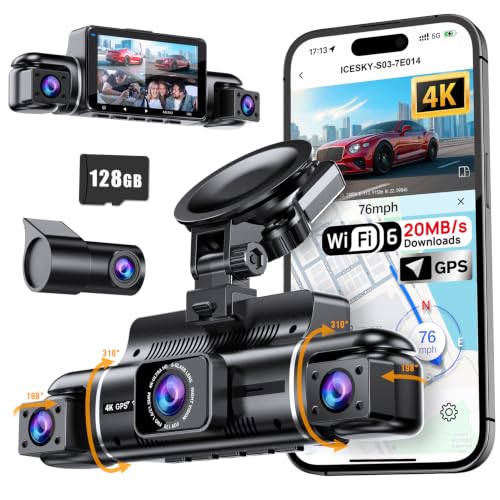
ROVE R2-4K Dual Dash Cam User Guide
A reliable pick for ROVE R2-4K Dual Dash Cam, selected based on this article's guidance.

How to Install a Wall-Mounted Television
A reliable pick for How to Install a Wall-Mounted, selected based on this article's guidance.
Final Verdict & Decision Framework

Quick Decision Checklist
If you are confident in handling trim tools and have basic electrical knowledge, DIY is a cost-effective solution. If you own a luxury car or are uncomfortable with vehicle wiring, professional installation provides peace of mind.
Our Framework for Choosing
| Your Priority | Recommended Path |
|---|---|
| Saving Money | DIY |
| Preserving Lease Warranty | Professional |
| Speed of Installation | Professional |
| Learning Vehicle Systems | DIY |
Frequently Asked Questions
Does self-installation void my car warranty?
A: Generally, it depends on the manufacturer. If you cause a short circuit, you are responsible, but a clean install typically does not impact standard factory warranties.
Can I use standard tools for a DIY install?
A: Yes, a plastic pry bar, a circuit tester, and a basic screwdriver set are usually sufficient for most vehicle models.
How long does professional installation take?
A: Most shops complete a standard dash cam install in 60 to 90 minutes.
Is hardwiring necessary for all dash cams?
A: No, many cameras function perfectly via a 12V outlet, though hardwiring enables features like Parking Mode.
What is the biggest risk in a DIY install?
A: The biggest risk is improperly tucking cables near side-curtain airbags, which could obstruct their deployment during an accident.
Do professionals offer a warranty on their work?
A: Most reputable automotive electronics shops offer a limited labor warranty on their installations.
Are there specific cars harder to install in?
A: Yes, vehicles with complex electronic gateways or tight interior panel tolerances require more advanced installation techniques.
How can I find a good installer?
A: Look for shops that specialize in car audio or remote starters, as they are experienced with vehicle electrical systems.
Key Takeaways
- 1 DIY is cost-effective but requires patience and correct tools.
- 2 Professional installation reduces the risk of interior trim damage.
- 3 Always check your vehicle manual to locate the correct fuses.
- 4 Hardwiring is required for advanced features like 24/7 parking surveillance.
- 5 Cable management is the most important factor for a clean, factory-like look.
- 6 Safety first: never run wires across airbag deployment paths.
- 7 Use a circuit tester to ensure the fuse you select is not critical for vehicle operation.
Conclusion
Choosing between a DIY installation and professional service is a trade-off between financial savings and technical peace of mind. For many drivers, the DIY route is a rewarding experience that grants deep familiarity with their vehicle's layout, provided the proper precautions are taken regarding vehicle safety and electrical integrity.
However, if your schedule is tight or your vehicle involves complex wiring, professional services offer a streamlined alternative that ensures your equipment is mounted safely and effectively. Consider your specific needs, the complexity of your dash cam, and your personal comfort with automotive electronics before making your choice.
Regardless of the method you choose, a properly installed dash cam is a vital tool for road safety and incident documentation. You may find further inspiration by reviewing our Best Car Dash Cam Without Using Your Mobile: 2026 Buyers Guide.
📌 Pillar Resource: Read our complete complete How to Install Dash Cam: The Complete Step-by-Step Guide for Any Car review for in-depth insights.