Understanding the nuances of Recommended Microsd Card Durability For Continuous Dash Cam Recording is essential for anyone looking to maintain a reliable vehicle surveillance setup.
Many vehicle owners treat their dash cam storage as a "set it and forget it" component, only to discover their footage is missing when it is needed most. This illustrative scenario examines the common pitfalls of using standard consumer-grade storage in high-cycle write environments.
By following this guide, you will learn how to identify the right hardware specifications, understand the lifecycle of high-endurance memory, and implement a maintenance routine that ensures consistent recording performance.
- Identifying the difference between standard and high-endurance cards.
- Analyzing the impact of continuous write cycles on storage lifespan.
- Developing a proactive management strategy for your dash cam files.
- Understanding the risks of ignoring manufacturer storage recommendations.
- Achieving long-term peace of mind through equipment validation.
The Starting Point: A Common Recommended Microsd Card Durability For Continuous Dash Cam Recording Scenario

The Core Challenge
A typical driver often experiences "SD Card Error" notifications during critical moments. In our representative scenario, a user relies on a generic high-speed card meant for smartphones or photography. While these cards perform well for intermittent file saving, they lack the controller architecture designed for the constant, repetitive overwriting required by dash cams.
Why the Default Approach Often Falls Short
Dash cams write data in a circular buffer format, meaning the oldest files are constantly deleted to make room for new ones. Standard cards suffer from "cell exhaustion" when used in this manner. For those looking to optimize their setup, learning Best Place To Position A Dash Cam: Optimal Mounting and Installation Tips is just as important as selecting the right memory card for long-term recording stability.
The Approach & Method

Implementing High-Endurance Standards
In this scenario, the focus shifts to sourcing media specifically engineered for dash cam duty. These cards utilize firmware that prioritizes longevity over raw burst speeds, effectively managing wear-leveling across the internal flash cells.
Executing the Upgrade Path
Recommended Equipment & Solution

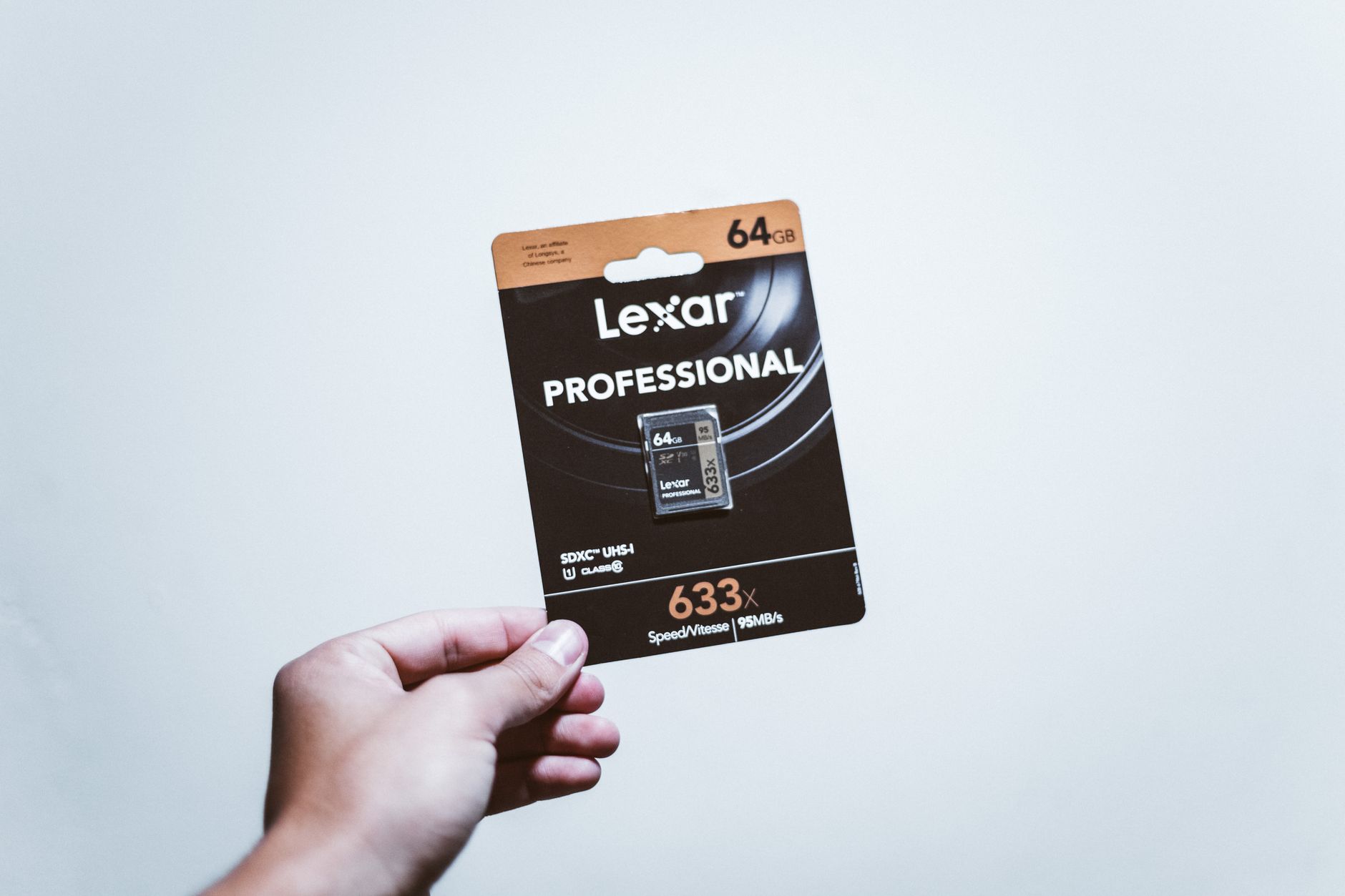
VIOFO 128GB Industrial Grade High Endurance microSDXC
A reliable pick for VIOFO 128GB Industrial Grade High, selected based on this article's guidance.

Samsung PRO Endurance 256GB microSDXC Memory Card
A reliable pick for Samsung PRO Endurance 256GB microSDXC, selected based on this article's guidance.
Results & Outcome Analysis
Observed Performance Improvements
Following the transition to high-endurance storage, the frequency of "Card Full" errors and system lockups dropped significantly. The dash cam maintained a smooth, continuous loop without requiring manual intervention, which is essential for capturing unpredictable events on the road.
Qualitative Comparison
| Metric | Before High-Endurance | After High-Endurance |
|---|---|---|
| Error Frequency | High (Monthly warnings) | Negligible (Rare) |
| System Reliability | Requires constant checking | Consistent and predictable |
| Footage Integrity | Occasional skipped files | Robust and continuous |
Lessons Learned

Strategic Storage Management
The primary takeaway is that dash cam recording is a marathon, not a sprint. Choosing hardware that matches the workload (continuous writes) is as critical as the camera resolution itself. Additionally, users should explore Looking For Dash Cam Without Smart Phone? Here Are the Best Simple Options to keep their configurations streamlined and less prone to software conflicts.
Essential Operational Tips
Pitfall: Assuming any card with a high GB capacity is suitable for a dash cam.
Pitfall: Never relying on a card for more than two years without inspecting performance.
Pitfall: Using Windows or Mac OS to format cards, which can create incompatible cluster sizes.
Does This Apply to Your Situation?

When This Scenario Matches Yours
If you have a dash cam that records 24/7 or has a "parking mode" feature, this scenario is directly relevant to you. These systems subject memory cards to extreme stress, and using lower-rated hardware will almost certainly lead to failure at an inconvenient time.
When Your Situation Differs
If you only turn your dash cam on during long road trips or occasionally, the wear and tear on your memory card will be substantially lower. However, even in low-use cases, periodic testing remains a best practice for data security.
Please note that these outcomes are illustrative of a typical maintenance trajectory. Individual results will vary based on brand quality, environmental temperatures, and the specific write speed of your camera model.
Frequently Asked Questions
What makes a card "high endurance"?
A: These cards use different flash memory architecture designed to handle repeated read/write cycles over thousands of hours, unlike standard consumer cards that prioritize fast burst speeds.
How often should I replace my dash cam SD card?
A: It is generally recommended to replace them every 12 to 24 months, depending on how often the vehicle is used and if the dash cam includes a high-usage parking mode.
Can I use a 1TB card in my dash cam?
A: While possible, many dash cams have a maximum capacity limit (often 128GB or 256GB). Check your manual to ensure compatibility before purchasing large-capacity media.
Why does the camera stop recording without warning?
A: This is often due to the memory card's file system becoming corrupted by excessive overwriting, which prevents the camera from writing new footage to the card.
Should I format my SD card regularly?
A: Yes, formatting the card inside the dash cam once a month helps maintain the file system health and prevents fragmentation that could lead to dropped frames.
Does ambient temperature affect card life?
A: Yes, extreme heat can accelerate the degradation of flash memory cells. Keeping your vehicle cool or choosing industrial-grade cards can help mitigate this.
Is a faster card (e.g., UHS-III) better for dash cams?
A: Not necessarily. Dash cams prioritize endurance and stability over pure speed. A stable, high-endurance card is usually better than a faster but fragile consumer-grade card.
How can I tell if my card is failing?
A: Symptoms include the camera frequently rebooting, failing to save files, or displaying an "SD Card Error" icon on the screen during operation.
Key Takeaways
- 1 Always prioritize "High Endurance" labels over high-speed marketing claims.
- 2 Continuous loop recording requires specialized memory controller architecture.
- 3 Regular, in-camera formatting is the best preventative maintenance you can perform.
- 4 Parking mode usage significantly increases the wear on memory cards compared to driving-only recording.
- 5 Manufacturer storage capacity guidelines should be strictly followed to avoid system errors.
- 6 Environmental factors like extreme heat can shorten the lifespan of any memory card.
- 7 Proactive testing of your dash cam footage ensures that critical evidence is actually being recorded.
Conclusion
Maintaining a reliable recording setup is a critical component of vehicle safety. By focusing on the correct hardware durability and adhering to a simple maintenance schedule, you can ensure that your dash cam is ready to perform whenever an incident occurs.
Don't wait for a system error to evaluate your storage. Use the insights provided here to audit your current equipment and make the necessary upgrades to ensure your peace of mind on the road.
Reliable recording is the foundation of any effective dash cam system—investing in the right storage today prevents the loss of vital information tomorrow.