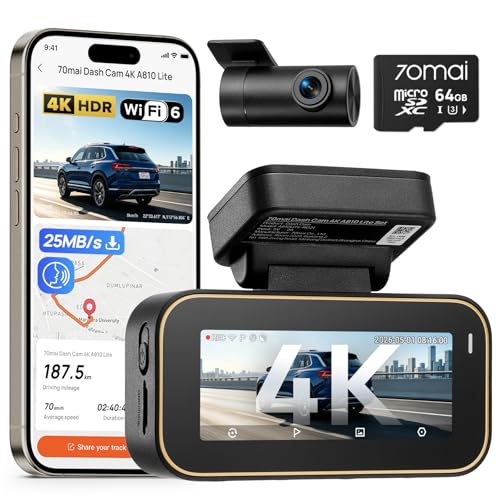
An Offline Dashcam configuration offers a compelling alternative for drivers who prioritize data privacy and independence from subscription-based cloud services, as illustrated in this representative scenario.
Many vehicle owners struggle with the hidden costs and connectivity hurdles of modern, network-dependent security systems. This case study examines a typical pattern where a user transitions from a complex, cloud-dependent setup to a robust, self-contained recording environment.
By following this walkthrough, you will learn how to optimize your recording infrastructure, avoid common hardware pitfalls, and ensure your vehicle remains protected without the need for constant internet access or ongoing monthly fees.
- Identifying the limitations of reliance on live-streaming hardware.
- Developing an Offline Dashcam strategy that prioritizes local storage.
- Observing qualitative improvements in system reliability and user peace of mind.
- Applying best practices to prevent common hardware failure points.
- Learning how to scale simple, effective security without recurring costs.
The Starting Point: A Common Offline Dashcam Scenario

The Core Challenge of Cloud Dependency
In our representative scenario, a vehicle owner found that their high-end, connectivity-dependent dashcam system frequently suffered from "server unavailable" errors and intermittent upload failures. The reliance on a stable cellular connection meant that critical footage was often missing when needed most, leading to significant frustration.
Why the Default Approach Often Falls Short
Most modern systems are designed for live cloud integration, which creates a point of failure at the network layer. Users often find that these systems are complex to manage, requiring frequent firmware updates and account maintenance. For those looking for simpler options, exploring Looking For Dash Cam Without Smart Phone? Here Are the Best Simple Options provides a clear path away from these pitfalls.
Proactive maintenance of your storage media is essential. Learn more in our guide on Recommended Microsd Card Durability For Continuous Dash Cam Recording: What You Need to Know.
The Approach & Method

Designing a Robust Offline Architecture
The approach focused on shifting the system into an isolated, local-first recording loop. This involved selecting high-endurance components that could handle heat and vibration without needing a handshake with an external server.
Implementation Phases
Recommended Equipment & Solution

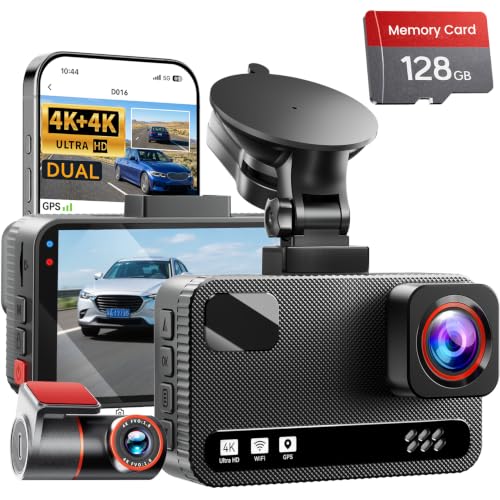
galphi 4K Dash Cam Front, 5GHz WiFi
A reliable pick for galphi 4K Dash Cam Front, selected based on this article's guidance.

Affver 4K+2.5K Dash Cam Front and Rear
A reliable pick for Affver 4K+2.5K Dash Cam Front, selected based on this article's guidance.
Results & Outcome Analysis
Qualitative Improvements in System Stability
By transitioning to an Offline Dashcam configuration, the user experienced a marked improvement in system predictability. Without the requirement for cellular handshakes, the camera initialized immediately upon ignition, significantly reducing the "boot-up lag" observed in previous setups.
Comparison of Operational States
| Feature | Cloud-Dependent System | Offline Dashcam System |
|---|---|---|
| System Boot-Up | Delayed (Waiting for Network) | Instantaneous |
| Footage Retrieval | Dependent on Server Status | Reliable via Physical Access |
| Maintenance | Frequent Software/Firmware | Periodic Physical Inspection |
The transition typically leads to a more consistent, "set and forget" experience where the user has total agency over their data without worrying about external connectivity failures.
Lessons Learned

Key Takeaways for Future Builds
The primary lesson from this scenario is that simplicity is the ultimate form of reliability in automotive hardware. A system that does not require an external dependency is fundamentally less likely to fail when critical events occur.
Strategic Best Practices
Does This Apply to Your Situation?

When This Scenario Matches Yours
If you find yourself frustrated by subscription fatigue, unstable cellular reception in your area, or privacy concerns regarding cloud storage, this offline approach is an ideal blueprint for your next installation.
When Your Situation Differs
For fleet managers who require real-time tracking or instant crash notification to a remote server, an offline setup may not satisfy the operational requirement for instant telematics and remote monitoring.
Individual results depend heavily on your specific camera hardware and vehicle electrical system. This analysis serves as an illustrative pattern rather than a guaranteed outcome for every possible hardware combination.
Frequently Asked Questions
What is an offline dashcam?
A: An offline dashcam is a system that records footage directly to local storage, such as an SD card, without needing a Wi-Fi or cellular connection to function.
Are there monthly fees for offline cameras?
A: Generally, no. Because these systems do not use cloud storage, there is no service contract or recurring subscription cost required for basic operation.
How do I view the footage?
A: Footage is typically viewed by removing the SD card and inserting it into a computer, or by using a local direct-connection feature provided by the camera manufacturer.
Is it harder to maintain an offline system?
A: It requires slightly more active involvement, such as physically checking your SD card for recording status, but it avoids the complex digital troubleshooting of cloud systems.
Does an offline dashcam still record during an accident?
A: Yes, provided it is powered and the storage medium is not damaged. Most high-quality cameras use g-sensors to lock footage during an impact to prevent overwriting.
What should I look for when buying?
A: Prioritize build quality, temperature tolerance, and high-quality lens optics. Since you won't be using cloud features, focus your budget on recording resolution and storage endurance.
Can I still use my phone with these?
A: Yes, many offline cameras allow you to connect your phone via Wi-Fi for local video review without requiring an internet or cloud connection.
Is privacy better with offline systems?
A: Many users prefer offline systems because video files are kept in their physical possession rather than being stored on a third-party manufacturer's server.
Key Takeaways
- 1 Offline systems prioritize data privacy by keeping files local.
- 2 You can eliminate subscription fees by choosing non-cloud hardware.
- 3 Always select high-endurance memory cards for 24/7 reliability.
- 4 Physical accessibility to the dashcam is necessary for manual footage review.
- 5 Instant boot-up speeds occur when you remove reliance on cellular handshakes.
- 6 Regular physical testing of the camera loop ensures long-term integrity.
- 7 Simplicity in design directly leads to higher system uptime and reduced frustration.
Conclusion
Choosing an offline dashcam is a powerful way to reclaim control over your vehicle's security environment. By moving away from cloud-dependent architecture, you gain a more reliable, private, and cost-effective method for capturing road footage.
The journey toward an offline setup starts with auditing your current gear. For those seeking to optimize their current setup, our Can you install a front and rear dash cam without a monthly fee? The Truth Revealed guide provides deeper context.
Simplicity is the key to enduring performance, turning a complex headache into a reliable, invisible guardian for your vehicle.